
A dumpster can still have plenty of room and already be close to its weight limit. That is especially common with heavy materials like concrete, dirt, brick, and roofing shingles.
Understanding the dumpster weight limit before you start loading can help you choose the right container and avoid unexpected overage charges. This guide explains how weight limits work, which materials add weight fastest, and what to expect if your load goes over the included allowance.
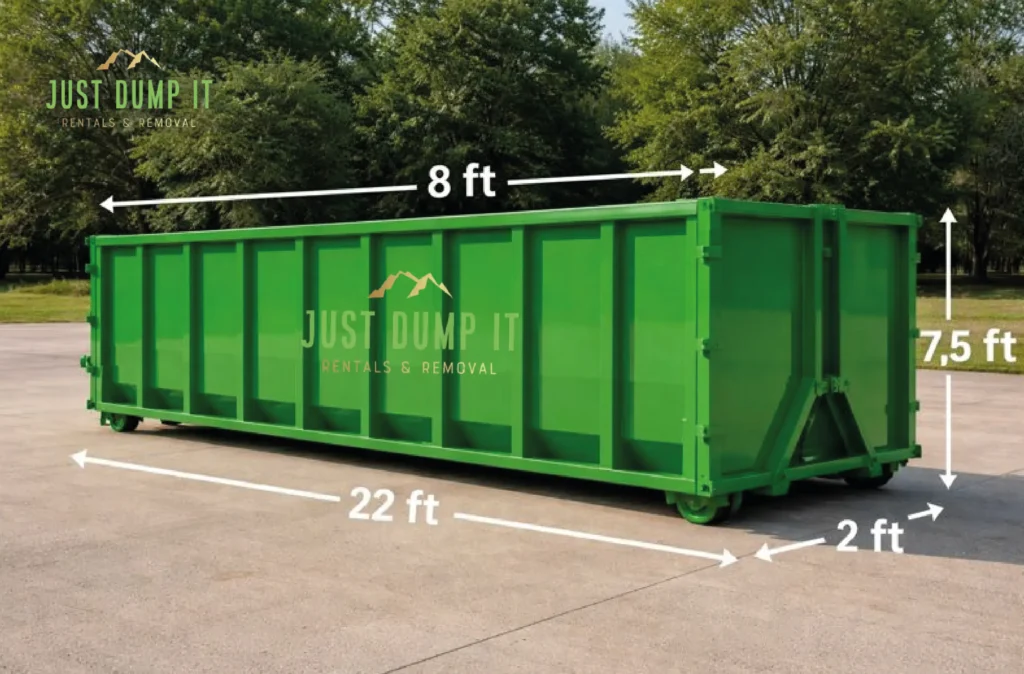
What Is a Dumpster Weight Limit?
A dumpster weight limit is the maximum amount of debris weight allowed or included with your rental.
It is different from the physical size of the dumpster:
- Dumpster size tells you how much space the container has.
- The dumpster weight limit tells you how much the debris can weigh.
A container can therefore be only partly full and still reach its weight allowance if it contains dense materials.
For example, a dumpster filled with furniture and cardboard may run out of space before it becomes especially heavy. A dumpster containing concrete or dirt can reach its weight limit much sooner, even when there is still room inside.
This is why debris type matters just as much as dumpster size when you book.
How Much Weight Can a Dumpster Hold?
There is no single weight limit that applies to every dumpster. The allowance depends on the container size, debris type, rental provider, and the terms of the rental.
At Just Dump It, our roll-off dumpsters include:
- 15-yard dumpster: 2 tons included
- 20-yard dumpster: 2 tons included
- 30-yard dumpster: 3 tons included
The right option depends on both the amount of debris and how heavy the material is. Concrete, dirt, brick, and roofing shingles can add weight much faster than household junk or furniture.
15-Yard Dumpster
A 15-yard dumpster is approximately 14 feet long, 8 feet wide, and 4 feet tall. It holds roughly six pickup-truck loads of debris.
It is commonly used for:
- Garage and attic cleanouts
- Small remodeling projects
- Bathroom renovations
- Yard work
- Household junk
For heavier debris, the weight allowance can become more important than the available space.
20-Yard Dumpster
A 20-yard dumpster is approximately 14 feet long, 8 feet wide, and 6 feet tall, with space comparable to about ten pickup-truck loads.
It works well for:
- Home cleanouts
- Kitchen renovations
- Roofing projects
- Flooring removal
- Medium remodeling jobs
Because shingles and construction debris can be dense, it is important to mention those materials before booking.
30-Yard Dumpster
A 30-yard dumpster is approximately 20 feet long, 8 feet wide, and 6 feet tall and can hold roughly 15 pickup-truck loads.
It is commonly used for:
- Whole-home renovations
- Large property cleanouts
- Construction projects
- Demolition debris
- Larger remodeling jobs
Even with the extra space, heavy materials can still reach the included tonnage before the dumpster is physically full.
What Materials Add the Most Weight?
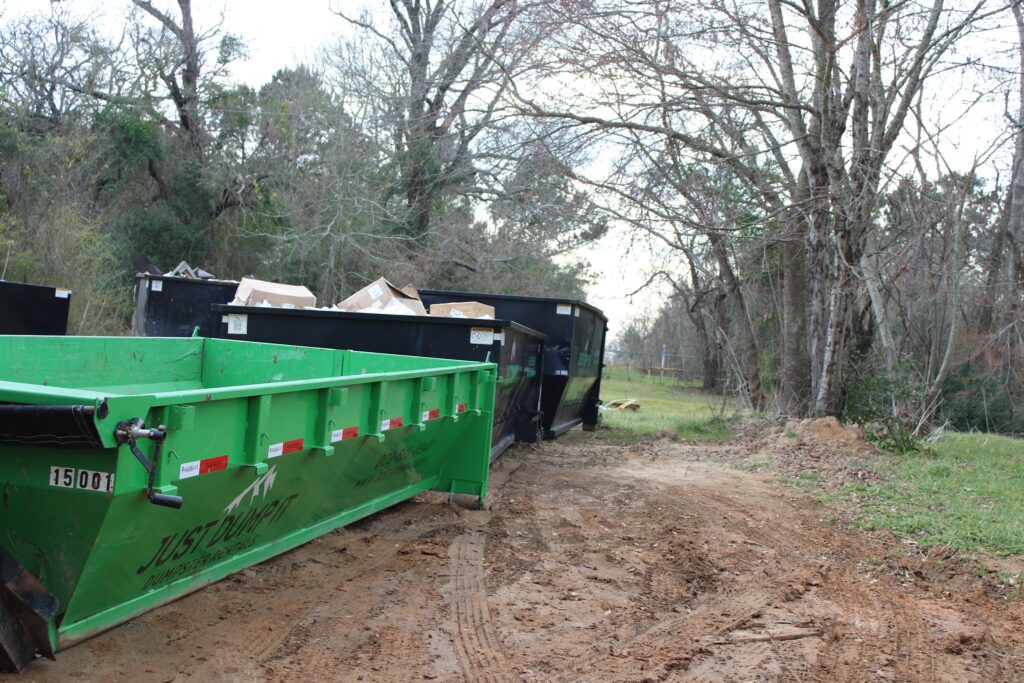
Some materials can reach a dumpster’s weight limit much faster than others. If your project includes dense debris, mention it when booking so the right dumpster and weight allowance can be recommended.
Concrete, Brick, and Masonry
Concrete, brick, block, stone, and tile are among the heaviest materials commonly placed in roll-off dumpsters.
These materials can add significant weight even when the container is only partly full. For larger amounts, it may be better to keep heavy debris separate rather than mix it with lighter materials.
Dirt and Soil
Dirt and soil can become very heavy once loaded in bulk.
Landscaping, excavation, and grading projects can quickly use up the included tonnage, so give the rental company an estimate of how much material you expect to remove.
Roofing Shingles
Roofing shingles can also add weight quickly, especially during a full roof tear-off.
Asphalt shingles, underlayment, flashing, and decking can create a dense load. Mention the size of the roofing project and the materials being removed when requesting a quote.
Construction and Demolition Debris
Renovation and demolition projects often produce mixed debris, including:
- Drywall
- Lumber
- Flooring
- Cabinets
- Fixtures
- Tile
- Roofing materials
- Masonry
Mixed loads can be harder to estimate because each material has a different weight. If your project includes a large amount of concrete, brick, tile, dirt, or shingles, mention those materials separately when booking.
For a full breakdown of accepted and restricted materials, see our guide to what you can put in a dumpster in Tyler, TX.
How Is a Dumpster Weighed?
Dumpster loads are typically weighed during disposal. The loaded truck or container is weighed, and the debris weight is compared with the tonnage included in the rental.
You do not need to know the exact weight before booking. What matters is giving the rental company a clear idea of the debris type and approximate amount, especially if the project includes heavy materials.
What Happens If Your Dumpster Is Overweight?
If the load exceeds the included dumpster weight limit, an overage charge may apply for the extra weight.
A dumpster can be below the top rail and still be overweight if it contains dense materials such as concrete, dirt, brick, or shingles. If the load is too heavy to haul safely, some debris may need to be removed before pickup.
How Do Dumpster Overage Fees Work?
Most dumpster rentals include a set weight allowance. If the final load goes over that amount, the extra weight may be charged separately.
Before booking, confirm:
- Included tonnage
- Overage rate
- Rules for heavy materials
- Whether disposal costs are included
For broader pricing details, see our guide to dumpster rental cost in Tyler, TX.
How to Avoid Dumpster Weight Overages
A little planning can help you stay within the included weight allowance.
Mention Heavy Materials Before Booking
Tell the rental company if your project includes concrete, dirt, brick, shingles, tile, or large amounts of demolition debris.
Choose the Right Dumpster
The best dumpster is not always the biggest one. Dense materials may need a different setup than lighter household or renovation debris.
Know What Your Rental Includes
Check the included tonnage and overage rate before loading. This is especially important for roofing, demolition, landscaping, and construction projects.
Common Mistakes That Can Lead to an Overweight Dumpster
Weight overages often happen when the debris is heavier than expected or the included tonnage is not considered before loading.
Choosing a Dumpster Based Only on Size
A larger container gives you more space, but it does not mean you can load unlimited weight. The type of debris matters just as much as the dumpster size.
Underestimating Heavy Debris
Concrete, dirt, brick, tile, and roofing shingles can add weight quickly. Even a partly filled dumpster can exceed its included tonnage.
Not Checking the Included Tonnage
Before booking, check how much weight is included with the rental and what overage rate applies if you exceed it.
Mixing Heavy and Light Materials
Combining dense debris with general household or construction waste can make the final load heavier than expected. If your project includes a large amount of heavy material, mention it when booking so the right setup can be recommended.
Renting a Dumpster in Tyler and East Texas
Just Dump It provides roll-off dumpster rentals for homeowners, contractors, businesses, and property managers throughout Tyler and surrounding East Texas communities.
For home cleanouts, remodeling, roofing, and other residential projects, a Tyler, TX Dumpster Rental provides a simple way to keep debris contained and your project organized.
For construction, renovations, property cleanouts, and other larger jobs, a Tyler, TX Commercial Dumpster Rental offers the capacity needed for higher debris volumes and heavier materials.
If you are unsure which dumpster size is right for your project, consider both the type of debris and the amount you expect to remove. This will help you choose an option that fits your space and weight needs.
Frequently Asked Questions About Dumpster Weight Limits
How much weight can a dumpster hold?
It depends on the dumpster size, provider, debris type, and included weight allowance. Always confirm the tonnage included with your rental before loading.
What happens if my dumpster is overweight?
If the load exceeds the included allowance, additional weight charges may apply. If it is too heavy to transport safely, some debris may need to be removed.
How do I know if my dumpster is too heavy?
Heavy debris like concrete, dirt, brick, and shingles is the biggest warning sign. If your project includes a lot of dense material, ask the provider before loading.
Can concrete or dirt make a dumpster overweight?
Yes. Concrete and dirt are very dense and can reach the weight limit before the dumpster looks full.
Is dumpster capacity based on weight or volume?
Both. Dumpster size controls how much space is available, while the weight limit controls how heavy the load can be.
Ready to Rent a Dumpster in Tyler, TX?
If your project includes heavy debris, choosing the right dumpster and understanding the included weight limit can help you avoid unexpected overage charges. Just Dump It offers 15, 20 and 30 yard roll-off dumpsters for household cleanouts, roofing, renovations, construction, and demolition.
Call us at (903) 405-1860 or book your dumpster rental in Tyler, TX online. If you are unsure how much your debris may weigh, tell us what you are removing and we can help you choose the right dumpster for the job.