Yes, ignoring local dumpster rental and waste disposal regulations in Tyler, TX, can result in fines, enforcement action, or additional costs, depending on the violation. Placing a dumpster in a public right-of-way without proper authorization, illegally dumping waste, or improperly handling hazardous materials can create problems for homeowners and contractors.
However, not every dumpster rental mistake results in a government fine. Some issues, such as overloading a container or including prohibited materials, may lead to rejected loads, additional disposal charges, or pickup delays.
At Just Dump It, we work with homeowners, contractors, and property managers throughout Tyler and surrounding East Texas communities. We’ve found that many customers aren’t fully aware of dumpster placement requirements or restrictions on certain materials.
Here’s what you need to know about local regulations, potential penalties, and how to avoid problems before your dumpster arrives.
What Dumpster Rental Regulations Apply in Tyler, TX?
Dumpster rental regulations generally cover where containers can be placed, what materials they can hold, and how waste must be handled or disposed of.
Some requirements come from the City of Tyler, while others involve Texas environmental laws or disposal facility restrictions.
Dumpster Placement and Permit Requirements
One of the first things to consider is where your dumpster will sit.
For most residential cleanouts and remodeling projects in Tyler, placing a roll-off dumpster on private property, such as a driveway, generally doesn’t require a separate city placement permit.
Public streets and rights-of-way are different.
The City of Tyler regulates activities affecting public rights-of-way, and placing a dumpster in these areas may require approval. Depending on the location, additional requirements may apply if the container affects traffic or public access.
For example, a homeowner renovating a property with limited driveway space might want to place a dumpster along the street. Before doing so, they should check with the City’s Engineering Department to find out whether authorization is required.
Homeowners should also review any HOA restrictions or property management rules.
At Just Dump It, we encourage customers to discuss their preferred dumpster location before scheduling delivery. If a location presents access concerns, we can help identify a more practical alternative.
Waste Disposal Regulations
Dumpster rentals must also follow applicable waste disposal requirements.
Most household junk, furniture, remodeling debris, and common construction materials can go into a standard roll-off dumpster. However, certain materials are restricted because they may pose environmental or safety risks.
Texas also has laws addressing illegal dumping and improper waste disposal. Renting a dumpster doesn’t mean every type of waste can be thrown into it.
If you’re unsure about a particular item, our guide to what you can and can’t put in a dumpster in Tyler, TX explains which materials are generally accepted and which require special handling.
What Fines or Penalties Can You Face for Ignoring Dumpster Regulations?
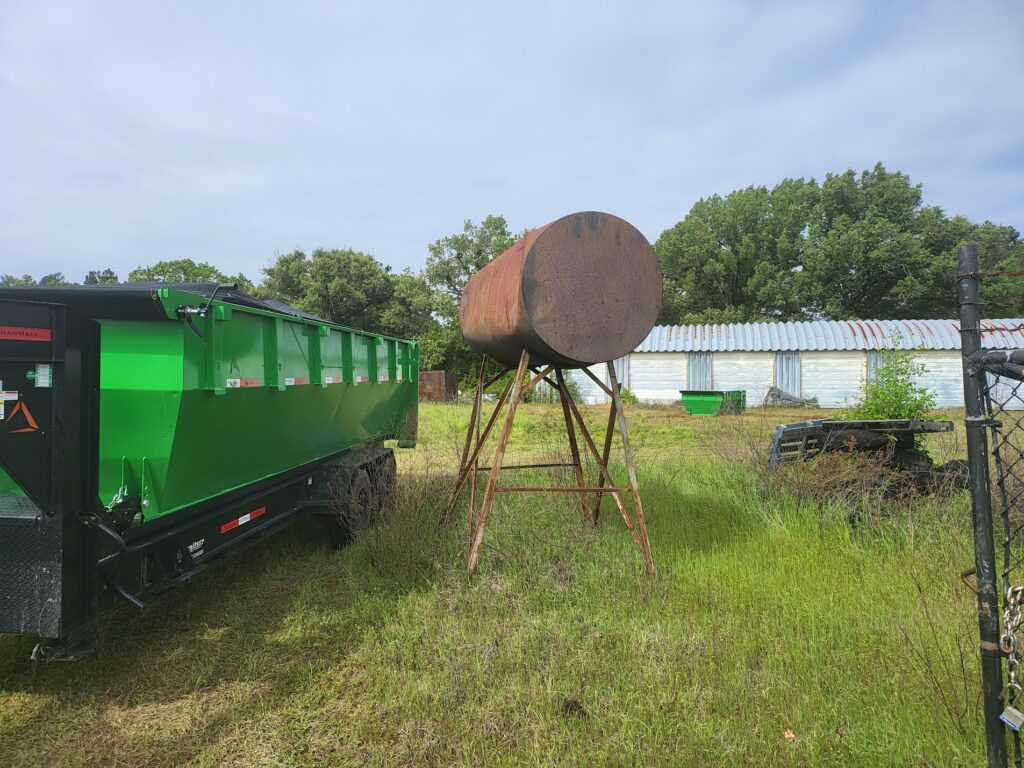
The consequences depend on the type of violation. Unauthorized placement, illegal dumping, and improper hazardous waste disposal are different issues, and each may involve different requirements.
Fines or Enforcement for Unauthorized Dumpster Placement
Placing a dumpster in a public street or right-of-way without the required authorization may lead to enforcement action or a requirement to relocate the container.
This can interrupt a cleanup or construction project, particularly when the dumpster is already in use.
However, the City of Tyler’s requirements depend on the exact location and circumstances. Customers should confirm the applicable rules before arranging placement rather than assuming that every public street location is available.
Penalties for Illegal Dumping in Texas
Illegal dumping can carry more serious consequences.
Under Chapter 365 of the Texas Health and Safety Code, disposing of solid waste at an unauthorized location can constitute a criminal offense.
Penalties depend on factors including the quantity of waste and the circumstances involved. Some violations may be treated as misdemeanors, while more serious offenses can carry felony penalties.
These laws address illegal waste disposal, not ordinary dumpster rental charges.
Using a legitimate disposal service and following accepted waste handling requirements helps reduce the risk of improper disposal.
Additional Charges for Rejected or Overloaded Dumpsters
Not every additional charge is a government fine.
If a dumpster contains prohibited materials, a disposal facility may reject the load or require additional handling. This can lead to extra fees or delays.
Similarly, exceeding the included weight allowance may result in overage charges under the rental agreement.
At Just Dump It, we explain potential additional charges before customers book. We believe it’s better to understand these conditions upfront than discover them after pickup.
What Materials Are Restricted in a Rental Dumpster?
One misunderstanding we often address is the assumption that anything can go into a rental dumpster.
While most everyday household junk and construction debris are accepted, certain materials require separate handling.
Common restricted or prohibited items include:
- Wet paint and chemicals: Solvents, pesticides, and other hazardous liquids may require specialized disposal.
- Motor oil and automotive fluids: Gasoline, antifreeze, and used oil shouldn’t be mixed with general waste.
- Batteries: Automotive and lithium-ion batteries can contain hazardous substances or create fire risks.
- Propane tanks: Pressurized containers can be dangerous during transportation and waste processing.
- Refrigerators and air conditioners: Refrigerant must be professionally removed before these appliances can be accepted.
- Tires: These typically require separate collection or appropriate recycling.
- Asbestos-containing materials: These require specialized handling and disposal.
Other materials, such as concrete, brick, dirt, and roofing shingles, may be accepted but are subject to weight and loading restrictions.
We encourage customers to tell us exactly what they’re removing before renting a dumpster.
For instance, someone cleaning out a garage might come across old paint cans, motor oil, or batteries mixed with ordinary household clutter. Separating those items before loading can prevent problems at the disposal facility.
Our advice is to ask before throwing away anything questionable. A quick conversation can save time and unnecessary expenses later.
Are Dumpster Regulations Different for Residential and Commercial Projects?
The requirements depend primarily on the dumpster’s location, the materials being discarded, and the type of work involved.
For residential projects, common concerns include driveway placement, HOA restrictions, and proper disposal of household or remodeling waste.
Commercial and construction projects may involve additional considerations, especially when dumpsters are placed near public streets, sidewalks, or active job sites.
Contractors may also need to account for broader construction permits, site safety requirements, and proper handling of certain construction materials.
For example, a homeowner placing a dumpster in a private driveway will typically have different placement concerns from a contractor managing demolition debris at a commercial property with limited vehicle access.
At Just Dump It, we ask about the project before recommending a container. For larger construction jobs, we can also discuss multiple dumpsters or scheduled swaps to keep debris from accumulating on-site.
Learn more about roll-off dumpster rental for construction projects and how proper planning can help keep a job site organized.
How Can You Avoid Dumpster Rental Violations in Tyler?
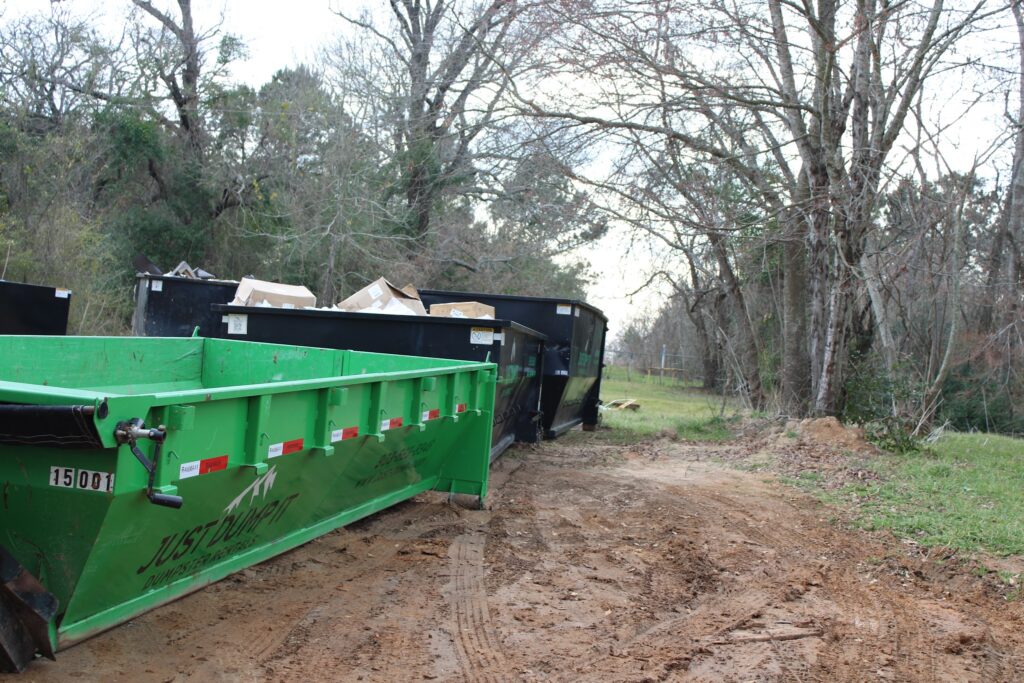
Most preventable problems come down to preparing before delivery and following the appropriate loading and disposal requirements.
Here are the steps we recommend.
1. Confirm Where You Can Place the Dumpster
Check whether your preferred location is on private property or within a public right-of-way.
If street placement is necessary, contact the City of Tyler to confirm the requirements. Homeowners should also check applicable HOA or property restrictions.
At Just Dump It, we generally recommend around 60 feet of straight-line clearance, along with adequate overhead space for delivery equipment.
Customers can send us a photo of their preferred placement area so we can discuss possible access concerns before delivery.
2. Check What Materials Are Allowed
Separate hazardous or restricted materials before loading.
If your project involves chemicals, appliances, concrete, shingles, or other potentially restricted debris, mention them when booking.
This gives us an opportunity to explain the applicable acceptance requirements and recommend a suitable container.
3. Follow Weight and Loading Limits
Avoid piling debris above the dumpster’s top rail. Distribute heavy materials evenly and pay attention to the included weight allowance.
Concrete, dirt, and roofing shingles are particularly easy to underestimate because they can reach weight limits before the dumpster looks full.
For more practical advice, read our guide to common dumpster rental mistakes in Tyler, TX.
4. Ask Questions Before Problems Develop
If you’re unsure whether a material is accepted or whether your placement location is suitable, contact your dumpster provider before proceeding.
At Just Dump It, we believe clear communication before delivery is one of the easiest ways to prevent avoidable delays and costs.
Frequently Asked Questions About Dumpster Regulations in Tyler, TX
Can I get fined for placing a dumpster on the street in Tyler?
Potentially. Placing a dumpster in a public street or right-of-way without required authorization can lead to enforcement action. Check with the City of Tyler before arranging street placement.
Do I need a permit to put a dumpster in my driveway?
A separate city dumpster placement permit generally isn’t required for a container on private residential property in Tyler. However, HOA rules and other property restrictions may apply.
Is putting hazardous waste in a dumpster illegal?
Improper hazardous waste disposal can violate environmental regulations. Materials such as chemicals, motor oil, certain batteries, and refrigerant-containing appliances may require special handling. Confirm acceptance requirements before disposal.
What happens if prohibited materials are found in my dumpster?
The disposal facility may reject the load or require the restricted materials to be removed. Additional handling charges or delays may also apply.
Can I be fined for overloading a dumpster?
Overloading doesn’t automatically result in a government fine. However, an unsafe or overweight load may delay pickup or result in additional rental charges. Separate transportation safety laws may also apply.
Get the Right Dumpster Rental Advice in Tyler, TX
Ignoring dumpster rental and waste disposal regulations can lead to fines, rejected loads, delays, and unexpected expenses. Fortunately, many of these problems can be avoided by checking placement requirements, knowing what materials are accepted, and loading the container properly.
At Just Dump It, we’re a locally owned dumpster rental company serving homeowners, contractors, and businesses throughout Tyler and surrounding East Texas communities.
We offer flexible rental periods from 1 to 14 days, upfront quotes, and practical guidance on dumpster sizes, placement, and accepted materials.
Planning a renovation, property cleanout, or construction project? Explore our dumpster rental services in Tyler, TX and request a quote. Tell us what you’re working on, and we’ll help you find a rental option that fits your project.