
Renting a dumpster for the first time can leave you with a lot of small questions. What size do you need? Where will it go? What happens after you fill it?
The good news is that the dumpster rental process is fairly simple. You choose a dumpster that fits your project, schedule delivery, load your debris, and arrange pickup when you’re finished.
Knowing what to expect before you order can make the whole process easier and help you avoid common issues with sizing, placement, weight, and prohibited materials.
Here is how a roll-off dumpster rental works from start to finish.
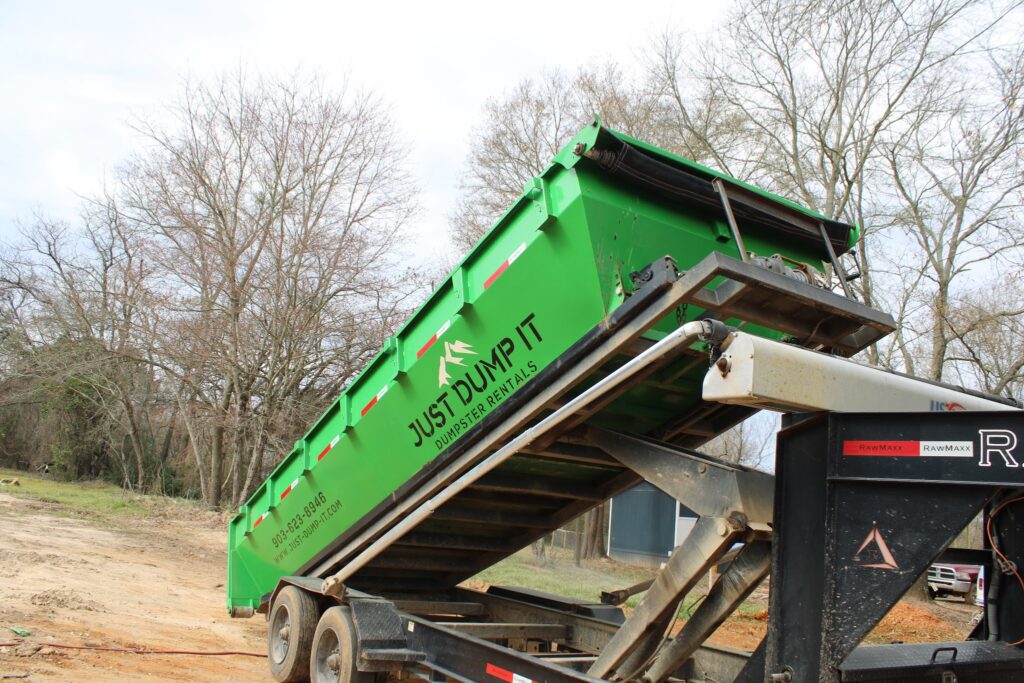
How Does the Dumpster Rental Process Work?
The basic roll-off dumpster rental process follows a few straightforward steps:
- Decide what you’re throwing away. The type of debris matters because some materials have disposal restrictions or can add significant weight.
- Estimate how much debris you have. Think about both the amount of material and how heavy it will be.
- Choose the right dumpster size. Select a container based on your project, debris volume, and weight.
- Request a quote and schedule delivery. Provide details about your project, location, debris, and preferred delivery date.
- Prepare the delivery area. Make sure there is enough room for the delivery truck and dumpster.
- Load the dumpster. Fill it without exceeding the fill line or adding materials that are not accepted.
- Schedule pickup. Once you’re finished, let the rental company know the dumpster is ready.
- The dumpster is hauled away. The container and debris are picked up and taken for appropriate disposal or processing.
If you’re renting a dumpster for the first time, most of your work happens before delivery. Knowing what you’re disposing of, roughly how much you have, and where you want the dumpster placed makes ordering much easier.
Step 1: Know What You Are Throwing Away
Before choosing a dumpster, start with the debris itself. Different materials take up different amounts of space, and some can add significant weight even when the pile looks relatively small.
Knowing what you plan to toss also helps the rental company recommend the right container and flag anything that may require separate disposal.
Identify the Type of Waste
Common dumpster rental projects may involve:
- Household junk and clutter
- Furniture and mattresses
- Drywall, lumber, flooring, and other construction debris
- Roofing shingles and related materials
- Branches, brush, and other yard waste
- Concrete, brick, dirt, and other heavy debris
You do not need an exact inventory before you order a dumpster, but having a general idea of the materials involved makes the next steps much easier.
Check What Is Not Allowed
Not everything can go into a roll-off dumpster. Hazardous chemicals, liquids, pressurized containers, batteries, and certain other restricted materials may require a different disposal method.
If you are unsure about a particular item, check before loading it. Our guide to what you can put in a dumpster in Tyler, TX provides a more detailed breakdown of common accepted, prohibited, and conditional items.
Step 2: Estimate How Much Debris You Have
Once you know what you are removing, estimate how much of it there is.
Dumpster sizing involves two things: volume and weight. A large pile of furniture may take up plenty of room without being especially heavy, while a much smaller pile of concrete can weigh considerably more.
Step 3: Choose the Right Dumpster Size
The right dumpster depends on what you are throwing away, how much you have, and the scope of the project.
Choosing too small can leave you needing another haul. Choosing more capacity than necessary can mean paying for space you never use.
15-Yard Dumpster
A 15-yard dumpster works well for smaller residential projects, including:
- Garage or attic cleanouts
- Small room renovations
- Bathroom remodels
- Light landscaping projects
- Household junk removal
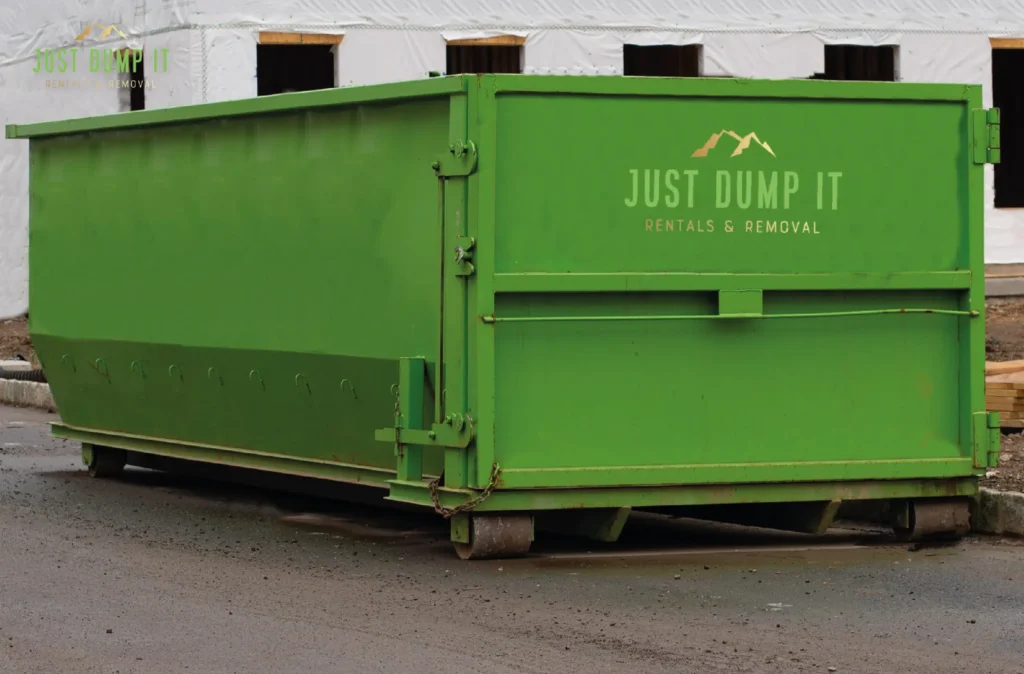
A 15-yard dumpster is approximately 14 feet long, 8 feet wide, and 4 feet tall, with room for about six pickup-truck loads.
20-Yard Dumpster
A 20-yard dumpster gives you more room without moving into the largest container sizes. It may suit:
- Whole-home or larger cleanouts
- Kitchen renovations
- Roofing projects
- Flooring removal
- Medium-sized remodeling jobs
A 20-yard dumpster is approximately 14 feet long, 8 feet wide, and 6 feet tall, or around ten pickup-truck loads.
30-Yard Dumpster
A 30-yard dumpster is designed for projects that produce considerably more debris, such as:
- Whole-home renovations
- Large property cleanouts
- Construction projects
- Major remodeling work
- Large amounts of demolition debris
A 30-yard dumpster is approximately 20 feet long, 8 feet wide, and 6 feet tall, with capacity comparable to roughly 15 pickup-truck loads.
Step 4: Request a Quote and Book Your Dumpster
Once you have a general idea of your debris and dumpster size, the next step in the dumpster rental process is getting a quote and arranging delivery.
You do not need to have every detail figured out beforehand. A few basic pieces of information are usually enough for the rental company to help narrow down the right option.
Information to Have Ready Before You Book
When you call or order a dumpster, be ready to provide:
- What type of project you are working on
- What materials you plan to throw away
- Approximately how much debris you expect
- Your preferred dumpster size, if you already know it
- Delivery address
- Preferred delivery date
- How long you expect to need the dumpster
- Where you would like the dumpster placed
Being clear about heavy materials such as shingles, dirt, brick, or concrete is especially important because weight can affect the recommended container and rental terms.
Ask What Is Included in the Rental
Before confirming the booking, make sure you understand what the quoted price covers.
Ask about:
- Dumpster delivery
- Pickup
- Included rental period
- Included weight allowance
- Charges for additional rental days
- Weight overage charges
- Fees that may apply to certain materials
Getting these details upfront makes it easier to compare quotes and know what to expect when renting a dumpster before the container ever reaches your property.
Step 5: Choose Where the Dumpster Will Go
Decide where you want the dumpster before delivery day. The location needs to be accessible for the delivery truck while still being convenient for you to load throughout the project.
A good placement area is generally flat, stable, and free from obstacles.
Do You Need a Permit for Dumpster Placement?
Permit requirements generally depend on where the dumpster will be placed.
A dumpster placed entirely on private property may be treated differently from one placed on a public street, sidewalk, or other public right-of-way. Local rules can vary, so check with your city or municipality if the dumpster needs to occupy public space.
If you live in a managed neighborhood, it is also worth checking HOA rules before scheduling delivery.
Step 6: Prepare for Dumpster Delivery
Once the placement area is chosen, make sure the truck can reach it on delivery day.
Before the dumpster arrives:
- Move vehicles away from the delivery path
- Clear debris from the placement area
- Check for low branches and overhead wires
- Unlock gates
- Move tools, trailers, or equipment out of the way
- Let contractors or other people on the property know where the dumpster will go
Doing this ahead of time reduces the chance of delays and helps the driver place the container where you expected.
Do You Need to Be Home for Dumpster Delivery?
Not always. Whether you need to be present depends on the rental company and how clear the placement instructions are.
If you will not be there, provide specific directions before delivery. A description of the location, markings on the property, or a photo of the intended placement area may help avoid confusion.
For Just Dump It customers, confirming the placement instructions when booking can make the dumpster delivery process easier, especially when no one will be on-site.
Step 7: The Dumpster Is Delivered
On delivery day, the driver brings the roll-off container to the address you provided and positions it in the agreed location.
Make sure the delivery path remains clear when the truck arrives. Once the dumpster has been placed, check that it does not block:
- Garage doors
- Gates
- Walkways
- Building entrances
- Work areas
- Access needed by other vehicles or equipment
It is much easier to address a placement issue while the driver is still there than after the truck has left.
Once everything is in the right position, you can begin loading the dumpster.
How Long Can You Keep a Dumpster?
Rental periods vary by provider and project. Before booking, confirm how many days are included and whether extensions are available if you need more time.
What Happens If the Dumpster Gets Full Early?
Stop loading once debris reaches the allowed fill level. You may be able to schedule an early pickup, request a swap, or order another container.
Do not load debris above the top of the dumpster, as an overfilled container may be unsafe to transport.
Step 9: Schedule Dumpster Pickup
Once the project is complete, the next part of the dumpster pickup process is letting the rental company know the container is ready.
Before pickup:
- Contact the provider and confirm the pickup date
- Make sure the truck can reach the dumpster
- Move vehicles, trailers, or equipment out of the way
- Check that gates are unlocked if necessary
- Make sure all debris is inside the container and below the fill line
- Remove anything sitting against or around the dumpster
The pickup truck needs access to the container just as it did during delivery, so keeping the area clear can help prevent delays.
Can You Have a Dumpster Picked Up Early?
Usually, yes, but pickup timing depends on the provider’s schedule and availability.
If you finish sooner than expected, contact the rental company and ask whether an earlier pickup can be arranged. Do not assume that finishing early automatically changes the rental price, since each provider has its own rental terms.
Step 10: What Happens After the Dumpster Is Picked Up?
Once the dumpster leaves your property, your part of the rental process is usually finished.
The container is transported to an appropriate disposal or processing facility. Depending on the provider and type of debris, the load may also be weighed as part of the disposal process.
Your final cost can sometimes be affected by:
- Actual debris weight
- Extra rental days
- Restricted or specially handled materials
- Other charges listed in the rental agreement
This is why it is important to understand the included weight allowance and disposal terms before you book.
From choosing a container to final pickup, the dumpster rental process is much easier when you know what to expect at each stage.
Common Dumpster Rental Mistakes First-Time Renters Should Avoid
A few simple mistakes can lead to delays or extra costs.
Choosing a Dumpster That Is Too Small
Estimate debris for the full project, not just what you see at the start. If you are unsure, ask the rental company which size fits best.
Ignoring Debris Weight
Heavy materials like concrete, dirt, brick, and shingles can reach weight limits quickly, even if the dumpster is not full.
Not Checking What the Quote Includes
Confirm the rental period, included weight, delivery, pickup, and possible extra charges before booking.
Waiting to Choose a Placement Area
Pick the location before delivery and make sure vehicles, gates, branches, wires, or equipment will not block access.
Adding Prohibited Materials
Check before loading paint, chemicals, batteries, liquids, appliances, or other restricted items.
Loading Above the Fill Line
Keep all debris below the fill line. If you run out of space, ask about a pickup, swap, or additional dumpster.
Blocking Access on Pickup Day
Move vehicles, tools, trailers, and equipment away from the dumpster so the truck can reach it easily.
Renting a Dumpster in Tyler and East Texas
Just Dump It provides roll-off dumpster rentals for homeowners, contractors, businesses, and property managers across Tyler and surrounding East Texas communities.
For residential projects such as cleanouts, remodeling, and roofing work, a Tyler, TX Dumpster Rental gives you a practical way to keep debris contained and your project moving.
For construction, property cleanouts, renovations, and larger commercial jobs, a Tyler, TX Commercial Dumpster Rental provides the space needed to manage debris efficiently from start to pickup.
If you are unsure which size fits your project, Just Dump It can help you choose based on the type and amount of debris you expect to remove.
Frequently Asked Questions About the Dumpster Rental Process
How does renting a dumpster work?
You choose a dumpster size, schedule delivery, load your debris during the rental period, and arrange pickup when you are finished. The dumpster is then hauled away for disposal or processing.
How far in advance should I rent a dumpster?
Book as early as possible if you need delivery on a specific date. Availability can vary, so planning ahead gives you more flexibility.
What size dumpster do I need?
The right size depends on your project, debris volume, and material weight. Smaller cleanouts may need a 15-yard dumpster, while larger renovations or construction jobs may require a 20-yard, 30-yard, or larger option.
Do I need to be home when the dumpster is delivered?
Not always. If the driver has clear placement instructions and the area is accessible, you may not need to be present.
How long can I keep a rental dumpster?
Rental periods vary by provider. Confirm how many days are included when booking and ask whether extensions are available if your project runs longer.
Can I put a dumpster in my driveway?
In many cases, yes. A driveway is a common placement area as long as there is enough space for the dumpster and delivery truck.
Do I need a permit to rent a dumpster?
A permit may be required depending on where the dumpster is placed. Private property often has different rules from public streets or rights-of-way.
What happens if my dumpster is overweight?
If the load exceeds the included weight allowance, extra charges may apply. Heavy materials such as concrete, dirt, brick, and shingles can reach weight limits quickly.
Can I have my dumpster picked up before the rental period ends?
Usually, yes, depending on the provider’s schedule. Contact the rental company once you are finished and request an earlier pickup.
What happens after the dumpster is picked up?
The dumpster is hauled to an appropriate disposal or processing facility. The load may also be weighed, which can affect the final charge depending on the rental terms.
Ready to Rent a Dumpster in Tyler, TX?
Renting a dumpster for the first time does not have to be complicated. Once you know what you are throwing away, how much debris you have, and where the dumpster will go, the rest of the process is straightforward.
Call us at (903) 405-1860 or book your dumpster rental in Tyler, TX online. If you are unsure which size to choose or what to expect during delivery and pickup, tell us about your project and we can help you get started.